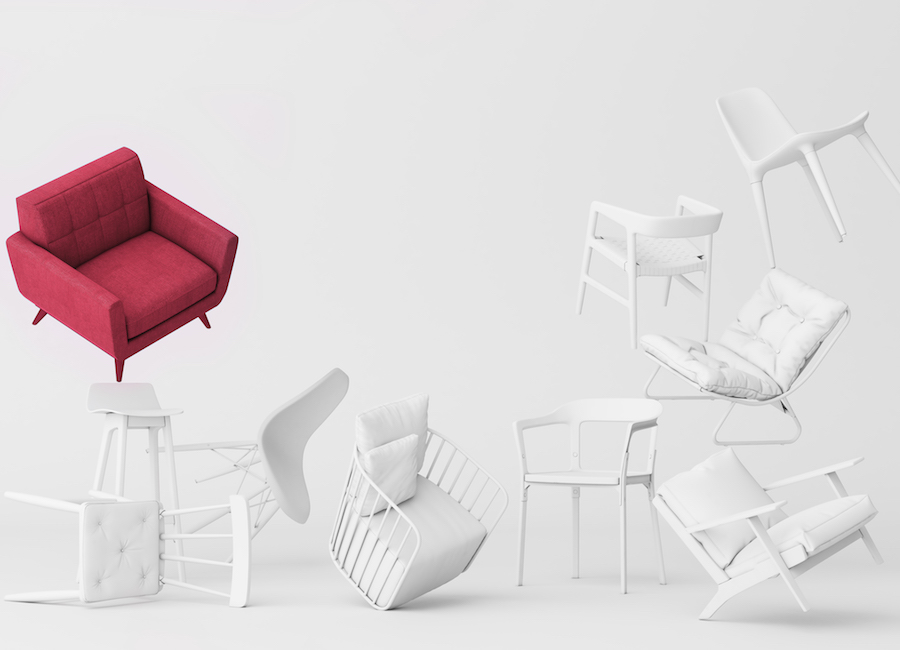
Even before the outbreak of the coronavirus pandemic crisis, the German furniture trade was confronted with subdued economic prospects and declining overall sales. In February 2019 – incidentally, after a prolonged phase of moderate growth – the sector focus on furniture reported on the “downward trend in the furniture market.” According to this report, the German furniture market recorded a decrease of 1.3 percent in 2018. Sales fell to 19.9 billion euros.A good year later the surprise came: 20.55 billion euros in sales in 2019, according to the home in March 2020, but in the same month the lockdown forced stationary trade to a standstill, while online sales skyrocketed.
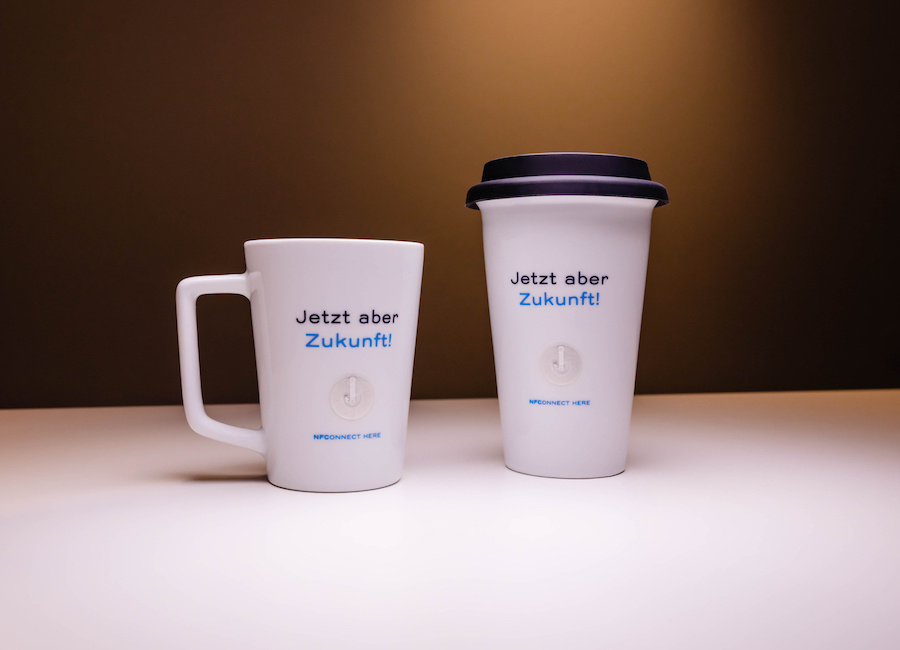
Manufacturing companies can also act as solution providers through digitization. RASTAL has done well in proving this with its Smartglass® concept. How can products be digitized in a tangible way and innovations be successfully implemented?We met RASTAL’s managing partner Raymond Sahm and the strategy expert Dr. Stefan Frings of enomyc for an interview: what did it take to develop a good idea and to transform it into a functioning product with a profitable business model?
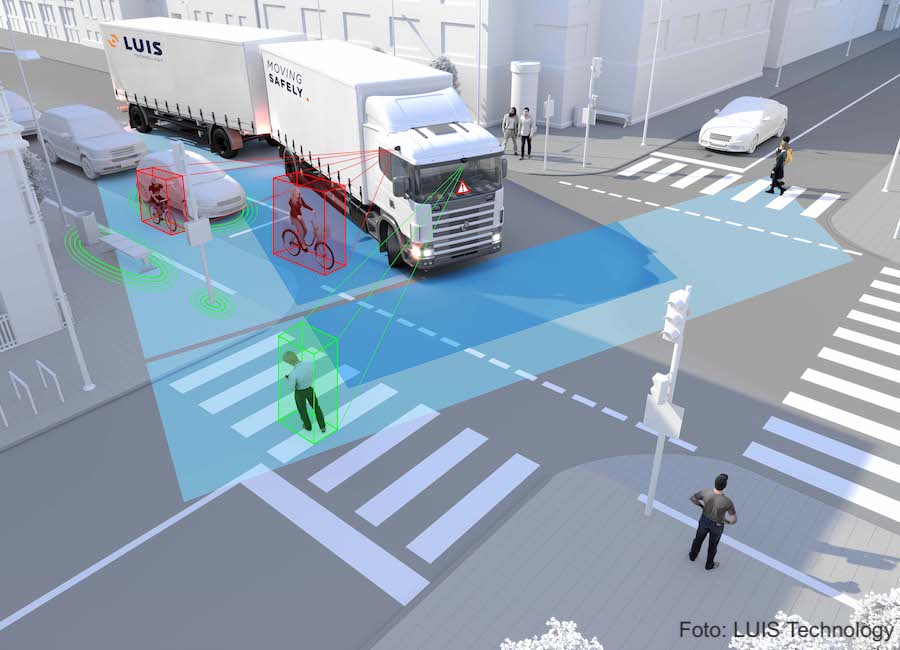
Cyclists live dangerously. In June 2019, the German weekly magazine Der Spiegel headlined an article titled, “Death risk for cyclists three times higher than for motorists.” The risk of injury is seven times higher, according to Siegfried Brockmann, head of accident research (UDV) at the German insurance association.

Knowledge is power and this is especially true for knowledge about future developments. Those who know with a very high probability what will happen next are literally one step ahead of their competitors. Predictive analytics is a technology that aims to achieve precisely these insights. How does the process behind this technology work and how can companies use the data gained from it profitably for their own business model? Mario Trapp, senior consultant at enomyc, shares his insights with us.
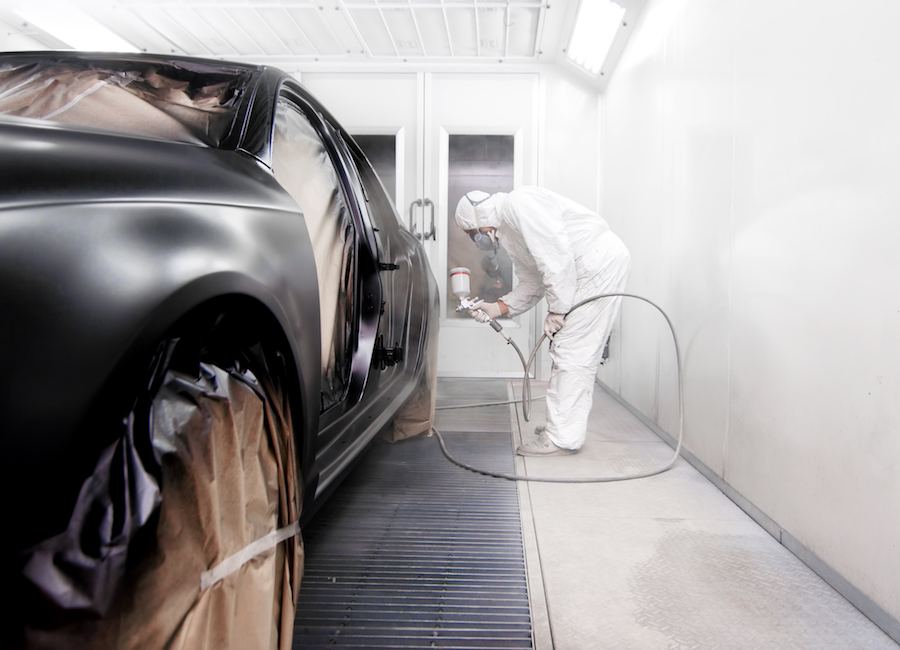
The automotive industry is undergoing a significant transformation: new technologies are emerging; society and law are driving change; emission standards are being enforced; the automotive market in Germany is a temporary collapsing decline; and cell phone user behavior is also changing. Questions have arisen about the drive technologies of the future, electromobility, digitization, autonomous driving, and AI. How does the digital age influence customer thinking, and how can medium-sized car dealers in particular effectively adapt to it? Dr. Daniel Tomic, partner at enomyc, has dealt with the topic in more detail.