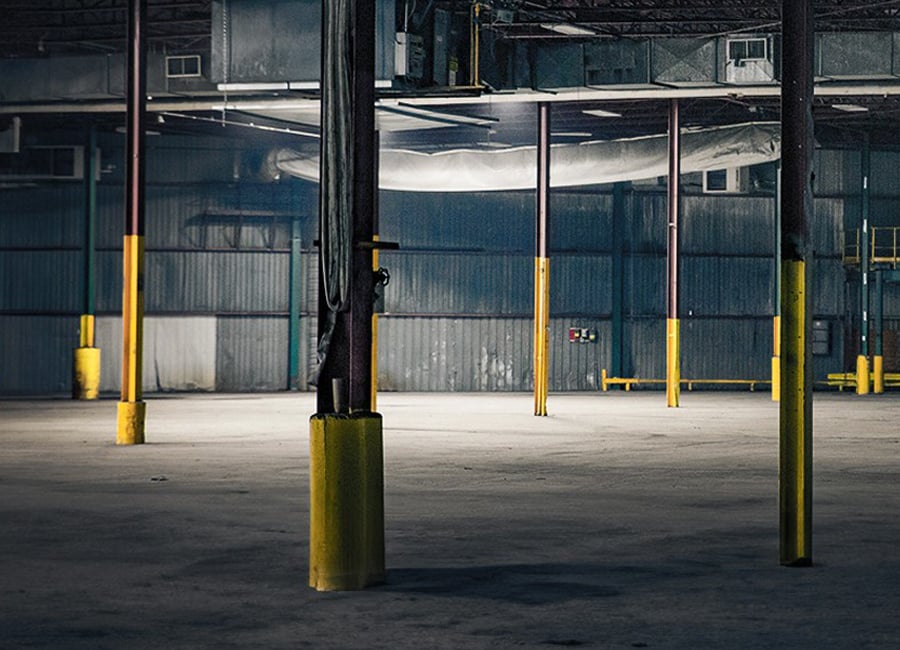
Automotive manufacturers and suppliers are facing the challenge of strategically realigning their production or engineering sites. High costs, increasing competitive pressure, and complex risks such as quality defects, production delays, or the loss of valuable knowledge make relocation a real test. With our expertise, we support you in identifying these challenges early on, minimizing costs, and ensuring smooth implementation. This allows you to not only secure production quality, but also your long-term competitiveness.
The decision is final: as of late October, the EU has imposed tariffs on Chinese electric vehicles. The reasoning? Excessive subsidies and unfair competition from China. Brussels has taken decisive action, despite strong warnings from the German automotive industry.Will the sector now face significant price increases and potential retaliatory measures from China? Could the demand for EVs be further suppressed due to these tariffs? And what impact might these measures have on Germany’s capacity for innovation? In this expert interview, we explore the scenarios currently under discussion in the German automotive and supplier industries.
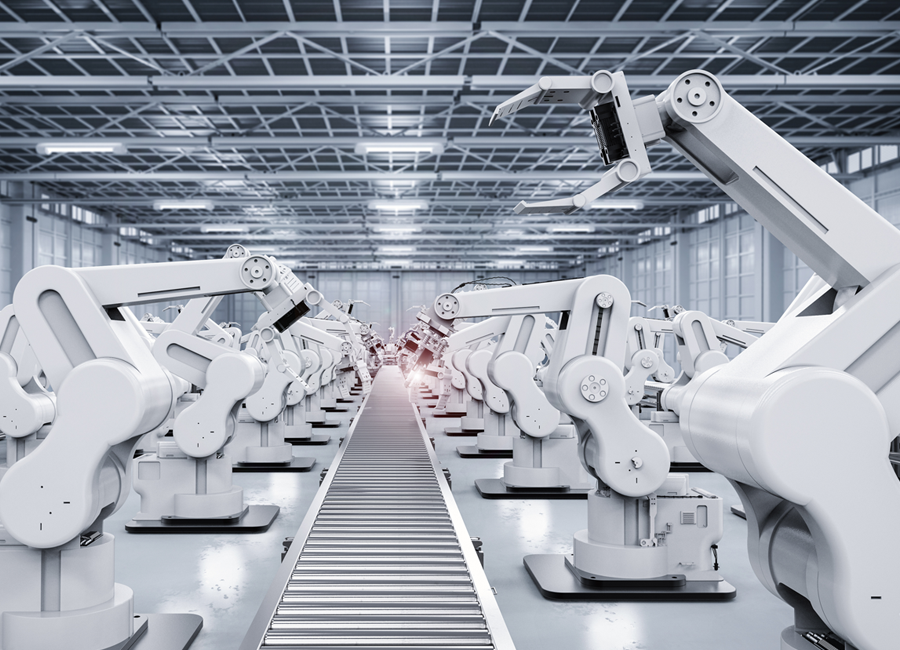
Hydrogen is considered one of the key energy carriers in the effort to transform industry and transportation sectors to be climate-neutral. According to the German government's National Hydrogen Strategy, ten gigawatts of electrolysis capacity are expected to be built in Germany alone by 2030. This would meet one-third to one-half of the domestic demand and require an almost unprecedented scaling of current capacities. While many view this plan as completely unrealistic, enomyc author Wolfram Hackbarth sees opportunities.

The energy crisis, skyrocketing raw material prices, disrupted supply chains and a chronic shortage of skilled workers are presenting the German automotive and supplier industry with unprecedented challenges. Small and medium-sized suppliers specializing in combustion engine drive components, chassis and C-parts in particular must fear for their future.
.jpeg)
While many are still on holiday or have just returned nicely refreshed, the buyers of the large car manufacturers and their "opponents", the sales professionals of the suppliers, have long been warming up for the upcoming price negotiations. This year, the talks are likely to be particularly difficult because many small and medium-sized enterprises (SMEs) are in deep water. However, giving up is not an option.

The disruption of global supply chains was seen as a short- to medium-term problem when the Corona pandemic struck home. Since the outbreak of the Ukraine war at the latest we now know things will never be the same again. This makes initiating a few key measures at operational level all the more urgent. These are simple to implement, but vital for dealing more flexibly with the new uncertainty.

The fate of our global supply chains has even occupied the tabloid press in recent weeks. As the coronavirus spread, it worried about empty supermarkets shelves, idle car factories, an entire economy on the verge of ruin. When an issue makes the leap from consultants’ presentations to, say, Germany’s Bild newspaper, the situation must be dramatic. But we shouldn’t tumble headlong into doing something – anything – to put things straight. The crisis has created different supply-chain problems for different industries, so we need different and sector-specific solutions.

The fate of our global supply chains has even occupied the tabloid press in recent weeks. As the coronavirus spread, it worried about empty supermarkets shelves, idle car factories, an entire economy on the verge of ruin. When an issue makes the leap from consultants’ presentations to, say, Germany’s Bild newspaper, the situation must be dramatic. But we shouldn’t tumble headlong into doing something – anything – to put things straight. The crisis has created different supply-chain problems for different industries, so we need different and sector-specific solutions.
Operations